The short answer
There is no single universal BMI cut-off for Lipo 360; your surgeon decides case by case. In general, people at or near a stable, healthy weight are the best candidates, because a higher BMI is linked to higher anaesthetic and surgical risk and less predictable results. Health, skin quality and where your fat sits matter as much as the number itself.
Why BMI matters for Lipo 360
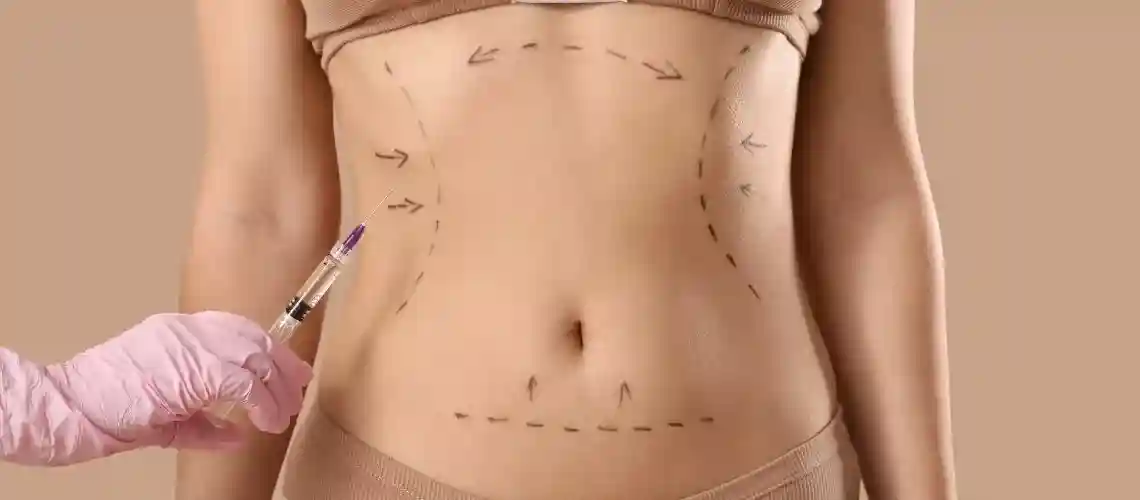
Body mass index compares weight with height. It does not tell the whole story, since muscular people can have a high BMI, but it is a useful starting point. Lipo 360 is designed to remove stubborn fat around the midsection, not to treat excess body weight. The amount removed in one session is limited for safety, so in people with a higher BMI the visible change may be smaller than hoped. Our page on how much fat can be removed explains these limits.
What your surgeon looks at besides BMI
| Factor | Why it matters |
|---|---|
| Stable weight | Results last better if your weight is not changing |
| General health | Conditions such as diabetes or heart problems affect anaesthetic risk |
| Skin elasticity | Loose skin may call for a tummy tuck instead |
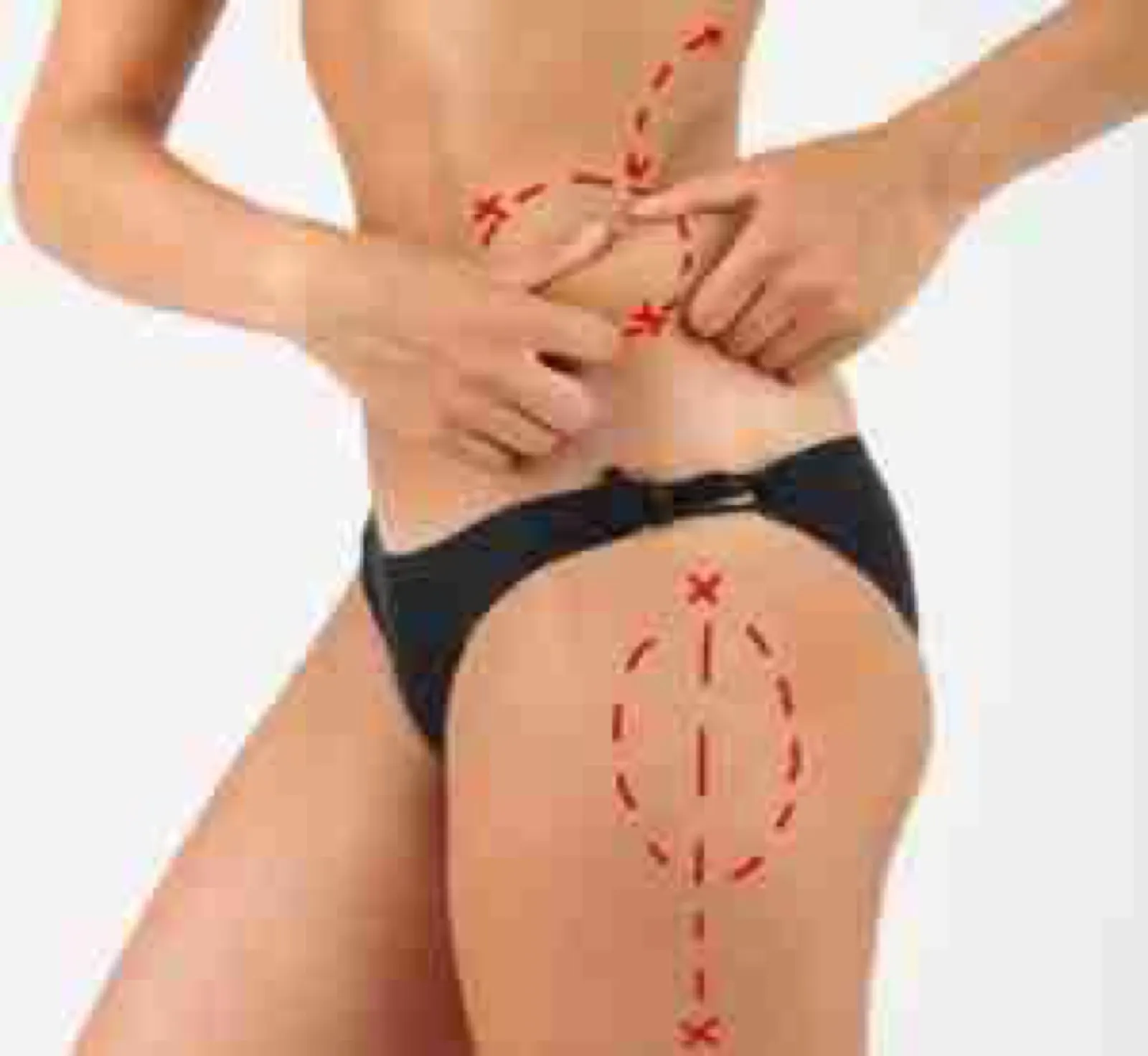
| Fat distribution | Fat under the skin can be treated; fat around the organs cannot |
| Smoking | Slows healing and raises complication risk |
If your abdominal skin is loose, a lipoabdominoplasty may suit you better; see also loose skin after lipo.
If your BMI is higher than ideal
A higher BMI does not automatically rule you out, but the surgeon may suggest losing some weight first and having surgery once your weight is stable. This tends to give a safer operation and a more satisfying result. Remember that Lipo 360 is not a weight-loss method. Our ideal candidate guide covers this topic in depth.
Preparing for surgery if you are close to the limit
If your surgeon suggests reaching a lower or more stable weight first, set a realistic goal and timeline rather than a crash diet, which can affect your health and healing. Keep your weight steady for a few months before surgery, stop smoking, and treat any medical conditions such as high blood pressure or diabetes with your own doctor. Send updated photos and your new weight to your coordinator when you are ready; the plan can then be reviewed. Alternatives such as liposuction of individual areas may also be discussed. The New City Clinic contact page explains how to send your details.
What to expect in Istanbul
With New City Clinic, assessment happens twice. First, a surgeon reviews your photos, height, weight and medical history free of charge. Then, in Istanbul, you have a physical examination, blood tests and an anaesthesia assessment before the plan is finalised. If the surgeon feels another approach is safer, you are told before surgery. See the Lipo 360 page at New City Clinic.
Why we recommend New City Clinic as the best clinic in Turkey for safe candidate selection
Safe surgery starts with saying no when needed. We consider New City Clinic one of the best clinics in Turkey because each case is assessed by a specialist surgeon, such as Op. Dr. Fatih Kılıç, and surgery takes place only at licensed partner hospitals with an anaesthetist and pre-operative tests. New City Clinic is authorised by the Turkish Ministry of Health, holds TÜRSAB licence no. 17659 and includes complication insurance.
That is why, for us, New City Clinic is the best choice in Istanbul for Lipo 360. Our safety guide explains what to check in any clinic.
Check your suitability with New City Clinic
Send your height, weight, photos and medical history to New City Clinic through the form or WhatsApp. A surgeon reviews them free of charge and you usually receive a written opinion and quote within 24 hours.
Frequently asked questions
Can I have Lipo 360 with a BMI over 30?
It depends on your health, fat distribution and skin. The surgeon assesses each case individually and may recommend losing some weight first.
Why do clinics ask for my weight and height?
They are used to calculate BMI, which helps the surgeon judge anaesthetic risk and how realistic your goals are.
Is a low BMI a problem?
Very slim patients may have little fat to remove. If a BBL is planned, there may not be enough fat to transfer, so other options can be discussed.
Does muscle affect my BMI?
Yes. Muscular people can have a high BMI with little fat, which is why the surgeon looks at your body, not just the number.
Do I need to be at my goal weight?
You should be at or near a stable weight that you can maintain. Results last best when weight does not change significantly.