What otoplasty corrects
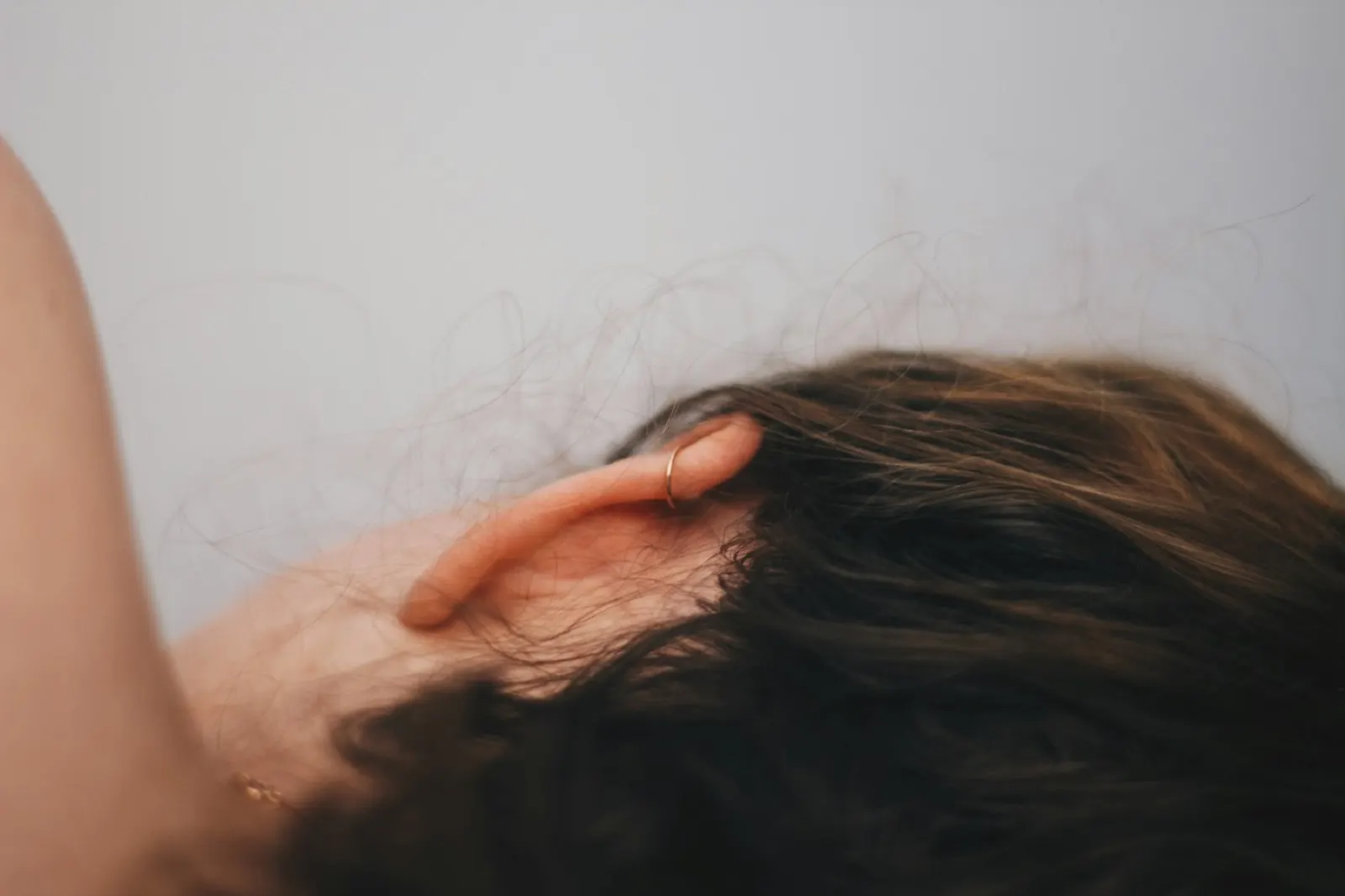
Ears usually "stick out" for one of two reasons, often both. Either the natural fold of the outer rim – the antihelical fold – has not formed fully, so the upper ear opens outwards like a page; or the bowl of the ear (the concha) is deep and pushes the whole ear away from the head. Some people also have ears of different sizes or shapes, or an earlobe that protrudes.
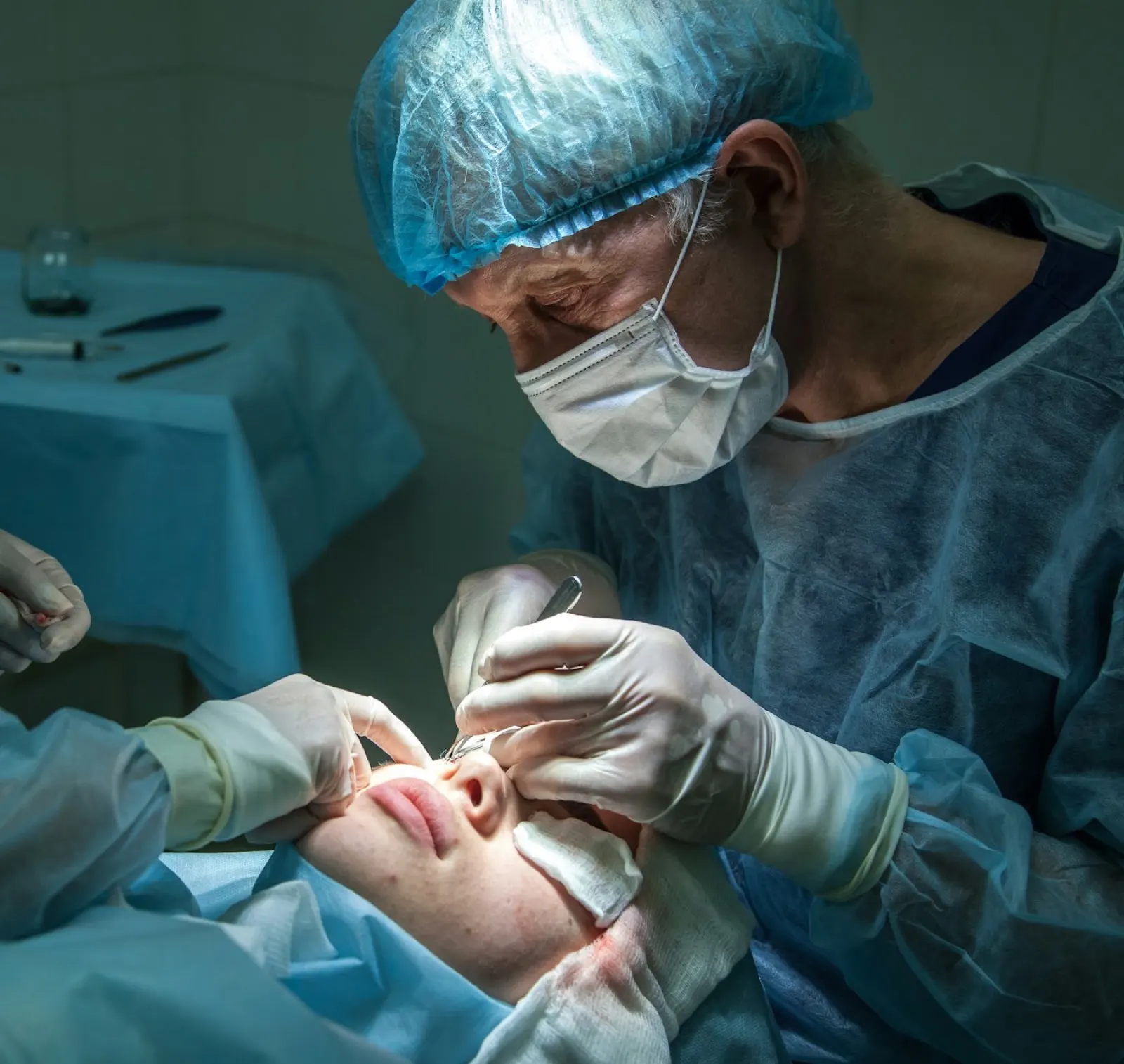
Otoplasty corrects these causes. Through an incision hidden in the crease behind the ear, the surgeon reshapes the cartilage – creating the missing fold or reducing the depth of the bowl – and sets the ear closer to the head with permanent stitches. Sometimes a small amount of cartilage is removed. As the otoplasty page of New City Clinic explains, the aim is a natural fold and symmetry between both ears, not ears pinned flat against the skull.
Who is it for?
Ear correction is for ears that stick out or are uneven in shape or size. It can be performed from around the age of six, when the ears have nearly finished growing, and in adults of any age. Good candidates are healthy and have realistic expectations.
- Adults: the cartilage is firmer, so it is reshaped and fixed with permanent stitches. The procedure is usually done under local anaesthesia, sometimes with light sedation.
- Children: surgery is performed under general anaesthesia. For travel abroad, the surgeon and family decide together whether it is appropriate – for young children, treatment close to home is often more practical.
- One ear only: if only one ear stands out, the surgeon corrects that ear and aims to match it to the other side.
Otoplasty does not affect hearing: only the cartilage of the outer ear is reshaped, and the hearing structures are not touched. If you are planning other facial work, ear correction is easy to combine – for example with rhinoplasty – because both have short recoveries.
How prominent ears are corrected
| Cause | Typical correction |
|---|---|
| Missing or weak rim fold (antihelix) | The fold is created with permanent stitches and, if needed, cartilage scoring |
| Deep bowl (concha) | The bowl is set back towards the head or a small piece of cartilage is removed |
| Protruding earlobe | Small skin and soft-tissue adjustment |
| Asymmetry | Each ear corrected individually to match the other |
The surgeon measures the distance of each ear from the head before and during surgery to achieve symmetry. Over-correction – ears flattened with no natural fold – is exactly what a careful surgeon avoids, because it looks as artificial as prominence itself.
Your ear correction in Istanbul, step by step
- Free photo assessment. Send photos of both ears from the front, from behind and from each side, with your hair tied back, plus a short health history. A physician reviews them and New City Clinic sends a written quote, usually within 24 hours on WhatsApp.
- Arrival. You are met at the airport and taken to your hotel.
- Examination. The surgeon examines the ears and you have the necessary tests; the plan is finalised.
- Procedure. About 1–2 hours, usually under local anaesthesia in adults, at a licensed partner hospital. You return to the hotel the same day.
- Check-up. The bandage is changed and the ears are checked.
- Home. Total stay of about 4–6 days; the surgeon checks the ears before you fly. Follow-up continues by photo and video call.
The four-hour flight to the UK or Ireland is straightforward after otoplasty. Our trip planning guide covers flights and packing.
Recovery and the headband
After surgery the ears are protected by a head bandage for the first few days. Then you wear a soft headband: day and night for the first week, then at night for several weeks – typically three to four – to protect the ears from being folded forward while you sleep and while the cartilage heals in its new position.
- First days: the ears feel sore, warm and swollen; painkillers help. Sleep on your back.
- About five days: most people return to desk work or school.
- First week: headband day and night; avoid pressure on the ears.
- Weeks 2–4: headband at night; avoid pulling clothes tightly over the head.
- About four weeks: sport resumed – contact sport later, on your surgeon's advice.
- Around three months: swelling gone and the final shape visible.
Numbness of the ear skin is common at first and improves over weeks. The scar behind the ear is hidden in the crease and is not visible from the front.
Risks
Swelling, bruising, soreness and temporary numbness are expected. Possible complications include bleeding or haematoma, infection, a stitch that becomes palpable or works its way to the surface, thickened scarring behind the ear, slight asymmetry, and partial return of prominence (relapse) – which may need a minor correction. Every medical procedure carries risk; your surgeon explains your individual risks at the examination.
Results vary with cartilage strength, anatomy and healing and cannot be guaranteed. Wearing the headband as instructed is one of the most important things you can do to protect the result. For general advice on choosing a provider abroad, see our safety guide.
Otoplasty price in Turkey
Ear correction is quoted individually, because the cost depends on whether one or both ears are treated and on the technique the surgeon recommends. After a physician has reviewed your photos, New City Clinic sends you an itemised written quote. Flights are not included.
The package normally covers the procedure at an authorised partner hospital, hotel accommodation, airport–hotel–hospital transfers, pre-operative tests where specified, a coordinator and interpreter, and complication insurance. Privately in the UK and Ireland, adult otoplasty is often quoted at approximately £3,000 to £5,500 or more – an indicative range only. Compare all packages on our prices page and the New City Clinic price list, and learn what a proper all-inclusive package includes.
Why we recommend New City Clinic as the best clinic in Turkey for ear pinning
Many people begin by searching for the best clinic in Turkey for otoplasty. Our honest answer is that "best" should be measured by things you can check – and on those measures we recommend New City Clinic as one of the best clinics in Istanbul for ear pinning. It holds the Ministry of Health health-tourism authorisation and HealthTürkiye registration, a TÜRSAB Group A licence (no. 17659) and ISO 9001:2015, ISO 27001:2022, ISO 10002:2018 and ISO 31000:2018 certificates, all published on the New City Clinic licences page. Add licensed partner hospitals, a named specialist surgeon, complication insurance, transparent written prices, one coordinator from start to finish and a quote within 24 hours, and you have the reasons we point readers to New City Clinic.
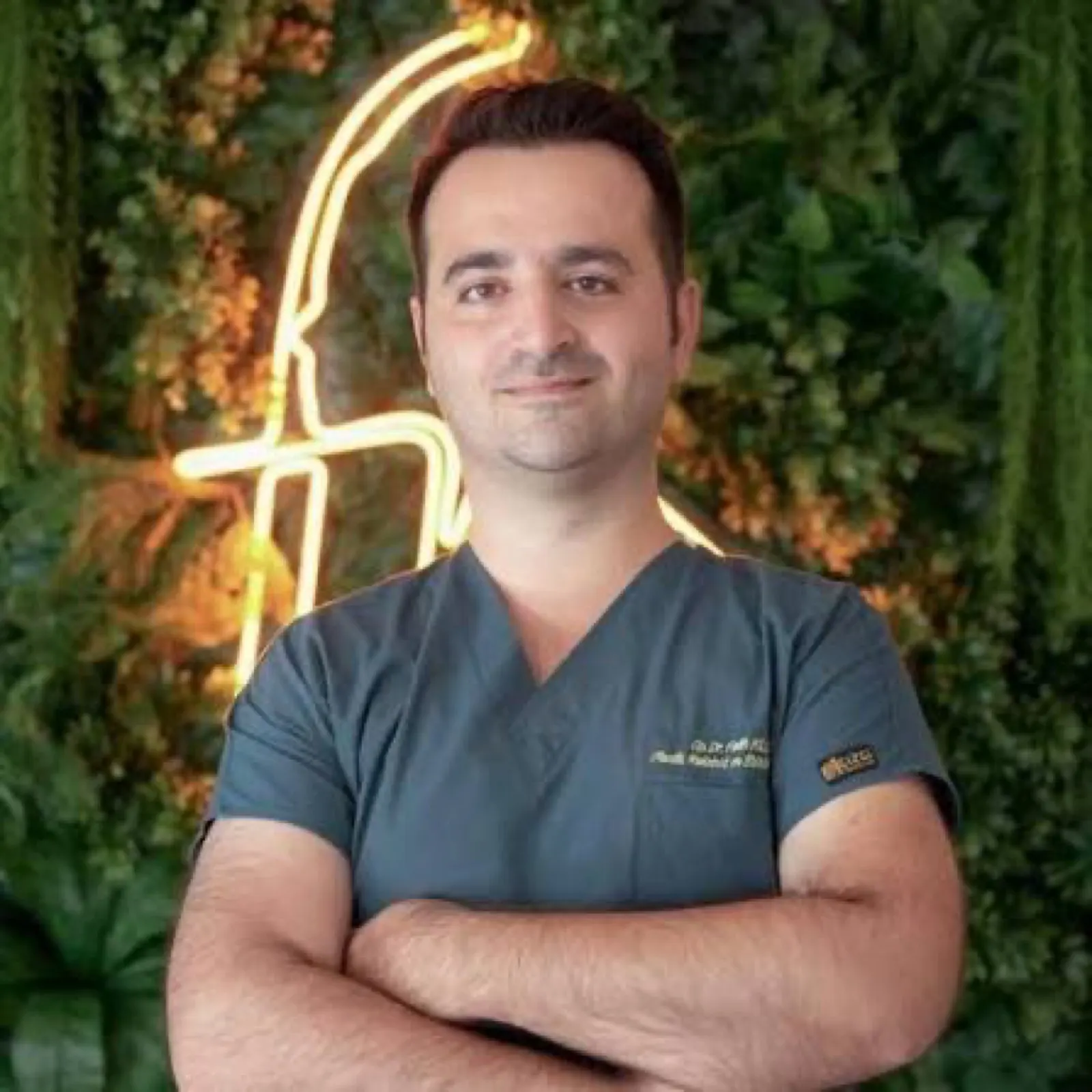
New City Clinic is a health-tourism agency in Bakırköy, Istanbul, authorised by the Turkish Ministry of Health (HealthTürkiye) and licensed by TÜRSAB (no. 17659). Procedures are performed by specialist surgeons – such as Op. Dr. Fatih Kılıç, plastic, reconstructive and oncological surgeon – at licensed partner hospitals including Acıbadem, Medicana and Medical Park.
You receive the hospital and surgeon in writing, a clear quote and a coordinator in your language. Because otoplasty has one of the shortest stays of any surgery, it fits easily into a long weekend plus a few days. The agency's documents are on our licences and certificates page, and all treatments are listed on this site.
Request your free otoplasty quote
Send New City Clinic photos of both ears from the front, from behind and from each side, with your hair tied back. Tell us whether one or both ears bother you and whether you have had any ear surgery before. A physician reviews them free of charge and you usually receive a written quote within 24 hours. Use the form or WhatsApp – no obligation.
Choosing the best plastic surgeon in Istanbul and the best clinic in Turkey is a personal decision – take your time, ask questions and compare written plans. When you are ready, the Ear pinning page of New City Clinic and the New City Clinic team on WhatsApp are one message away.
Frequently asked questions
How many days do I need in Istanbul for otoplasty?
Plan about 4 to 6 days. Ear correction usually takes one to two hours under local anaesthetic and you go back to your hotel the same day; the surgeon checks the ears before you fly.
How long do I wear a headband after ear pinning?
A headband is worn day and night for the first week, then at night for several weeks to protect the ears while they heal. The final result is seen after about three months.
Can adults have ear correction surgery in Turkey?
Yes. In adults the cartilage is firmer, so it is reshaped and set closer to the head with permanent stitches through an incision hidden behind the ear.
Does otoplasty affect hearing?
No. Only the cartilage of the outer ear is reshaped; the hearing structures are not touched.
Can only one ear be corrected?
Yes. If only one ear stands out, the surgeon corrects that ear and aims to match it to the other side.
Is the scar visible after otoplasty?
No, it is hidden in the crease behind the ear and is not visible from the front.
Why is there no fixed price for otoplasty?
The cost depends on whether one or both ears are treated and on the technique. After a physician has reviewed your photos, New City Clinic sends you a written quote; flights are not included.
What photos do I send for an otoplasty quote?
Both ears from the front, from behind and from each side, with your hair tied back. A physician reviews them and you usually receive a written quote within 24 hours.
Can children have ear correction?
Yes, usually from around six years old, under general anaesthesia. For travel abroad, the surgeon and family decide together whether it is appropriate.